跳到主要内容

Napoleon’s First Love: Desiree

· 阅读需 2 分钟

Desiree Clary was the daughter of a wealthy merchant in Marseille. In her youth, she fell in love with Napoleon Bonaparte, who at the time was a low-ranking officer and financially struggling. Desiree often supported Napoleon, both emotionally and financially.

As years passed, Napoleon’s talent on the battlefield began to shine, and he rose to the rank of general. Ambitious and focused on his career, Napoleon decided to marry Josephine de Beauharnais, a wealthy widow with strong connections to senior French officials. He saw this union as a strategic move that would greatly benefit his aspirations.

Desiree learned about Napoleon’s wedding through the newspapers and was furious at his betrayal. In her anger, she stormed into the wedding and publicly confronted him, expressing her hurt and indignation.

Ironically, it was at this wedding that Desiree caught the attention of another French general, Jean-Baptiste Bernadotte. The two began courting and eventually married.

Meanwhile, Napoleon’s career soared, culminating in his crowning as Emperor of France. Despite his immense success, he began to regret his treatment of Desiree and the decisions that had separated them. According to some accounts, Napoleon even reached out to Desiree, asking if she would consider becoming the Queen of France.
查看或添加留言

The Thirteenth Floor

· 阅读需 2 分钟

I want to talk about a movie called The Thirteenth Floor. It’s an older film, released in 1999, but it left such a strong impression on me that I still remember most of the story.

Douglas, the protagonist, is a software engineer at a video game company located on the thirteenth floor of a tall building. His company has developed a groundbreaking virtual reality game that simulates life in Los Angeles in 1937.

One day, after testing the game, Douglas’s boss discovers a shocking secret. He urgently calls Douglas and asks him to come over. However, by the time Douglas arrives, his boss has been murdered. Realizing that the secret and his boss’s death must be connected to the game, Douglas decides to enter the virtual reality world to investigate.

Inside the game, Douglas finds himself in a meticulously recreated version of 1937 Los Angeles, complete with streets, buildings, and people. These "people", though mere programs, believe they are real and behave just like actual humans.

Things take a surprising turn when one of the virtual characters begins to question the nature of his existence. This character suspects that the world he lives in isn’t real and presents his proof to Douglas.

After disconnecting from the game, Douglas starts to question his own reality. Was he, too, just a part of someone else's simulation? As the story unfolds, Douglas uncovers the truth—he is, in fact, a program living in another layer of someone’s virtual reality.

查看或添加留言

A Watch for Swimming

· 阅读需 1 分钟

I started swimming at the recreation center in our town last month. One challenge I faced was knowing the time while swimming. Since I’m nearsighted, I can’t see the clocks in the pool without my glasses. So, I decided to buy a watch.

I had two options: a mechanical watch or an electric one. Electric watches are cheaper and very accurate, but they don’t last as long. The average lifespan of an electric watch is about 10 years, and even the more expensive ones typically last no more than 20 years.

On the other hand, high-quality mechanical watches can last much longer—some of the best have been running for over a hundred years. However, they’re far too expensive for me. Even if I bought a new electric watch every 10 years for the next 50 years, it would still cost less than one good mechanical watch.

In the end, I decided to buy an electric watch, and I’m very happy with it.

查看或添加留言

The Difference Between “City” in China and the US

· 阅读需 1 分钟

The definition of a "city" (市) in China differs somewhat from that in the US. Generally, cities in China are much larger than those in the US, both in terms of area and population.

China and the US are roughly the same size geographically. However, while China has about 30 provinces, the US is divided into 50 states. In China, a medium-sized province typically has fewer than 20 cities. In contrast, a single US state can have hundreds of cities, and large states like California may have thousands. As a result, a typical Chinese city can be 10 times larger than its US counterpart.

When considering population, at least 100 Chinese cities have populations exceeding one million. Meanwhile, in the US, only about 10 cities surpass the one-million-resident mark.

Because cities in the US are often much smaller and more numerous, people may not be familiar with all of their names or locations. In many cases, metropolitan area names are used informally instead of the actual city name. For example, if someone asks where I live, I’ll say “Boston” instead of “Brookline,” my actual hometown, since many people might not know where Brookline is.

查看或添加留言

Finding Out Where a Person Lives from Their Social Media Posts

· 阅读需 1 分钟

I often read articles or posts shared by strangers online. Occasionally, I wonder where the author lives, and I’ve realized there are many ways to figure out someone’s general location based on their posts.

Many articles and posts are shared on blogs or social media platforms. Some users make their profiles public, which can include location information. This makes it easy to determine where they live.

Even if someone doesn’t explicitly state their location, clues often emerge in their posts. For instance, photos shared online often contain location tags, either added manually or automatically by the device used to take the picture. Additionally, people frequently share details about the restaurants, local shops, or parks they visit, which can provide strong hints about their location.

Sports teams can also be a significant indicator of where someone lives. For example, if a person is a big fan of the Boston Red Sox, it’s likely they live in or around the Boston area.

By piecing together these details, it’s often possible to make an educated guess about where a person resides, even without direct information.

查看或添加留言

豆豆尿头发

· 阅读需 1 分钟

我看到地板上有几根头发,就捡起来顺手扔到了豆豆的小马桶里。

过了一会,豆豆冲过来坐到小马桶上撒了泡尿。尿完之后,豆豆对着马桶研究了半天,然后跑来跟我说:“爸爸,我尿了几根头发出来。”

查看或添加留言

豆豆的铁路系统

· 阅读需 1 分钟

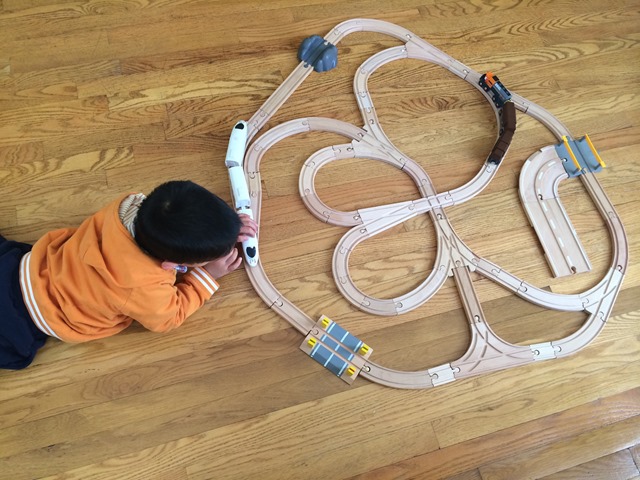
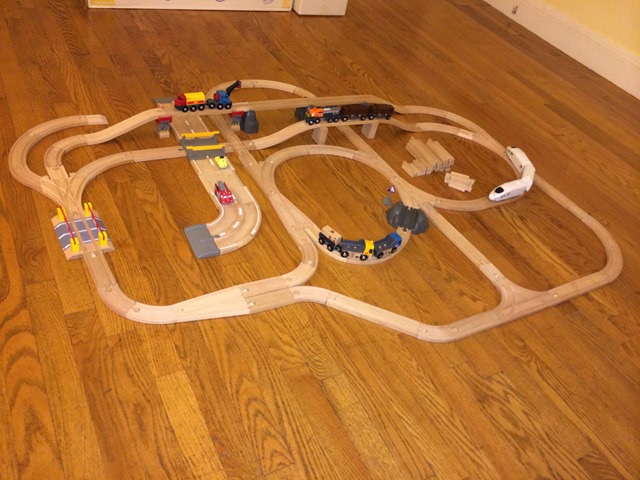
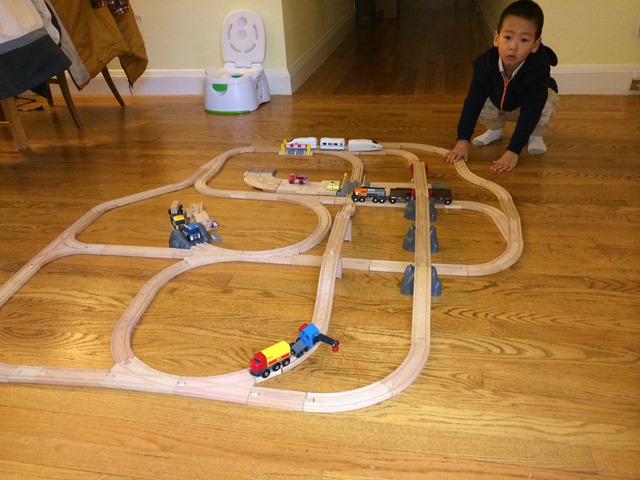
豆豆最喜欢火车,他的玩具中玩的最多的都是火车。最近他喜欢上了摆火车轨道。他自己还是太小了,还不会设计轨道,但是已经会指挥我了:“爸爸,我要个8字形的。”“我要个交叉的……”

他现在的玩法还是有些暴力,他最喜欢让我把小火车开到道岔口,然后用他的高铁冲过来,把我的小车撞翻。

2013-12-28 22.14.05

2013-12-29 09.01.43

2014-01-04 11.16.10

查看或添加留言

儿童博物馆

· 阅读需 4 分钟

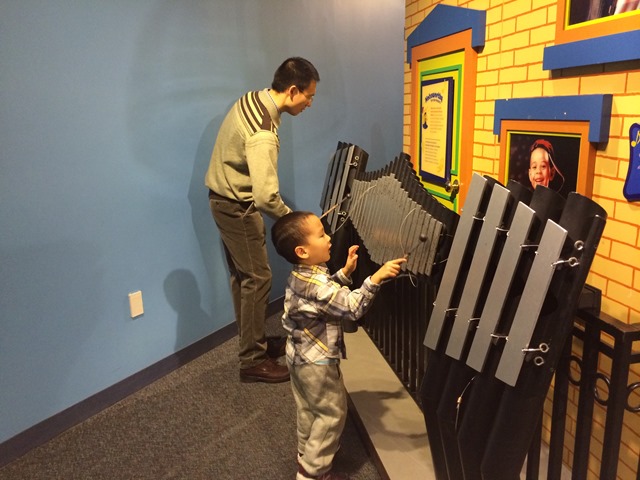
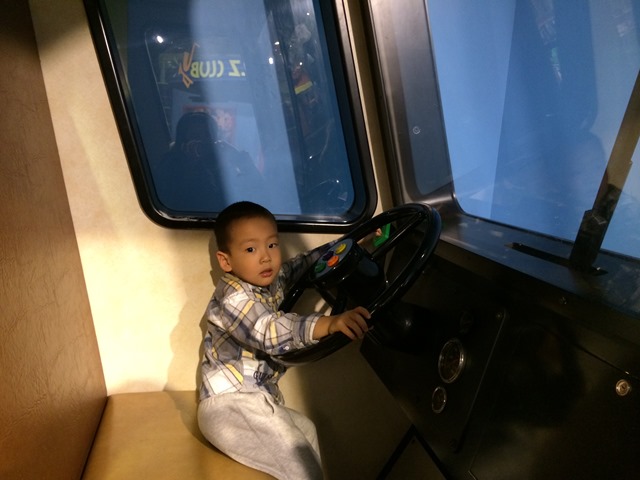
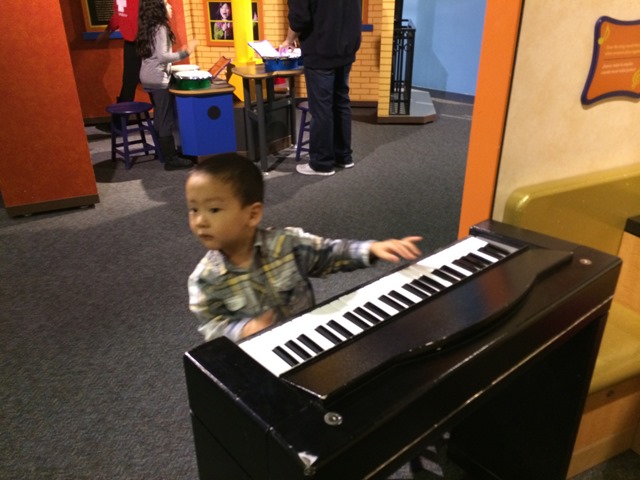
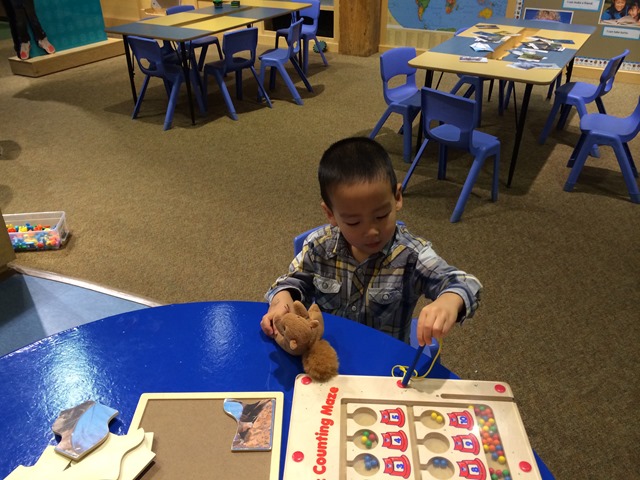
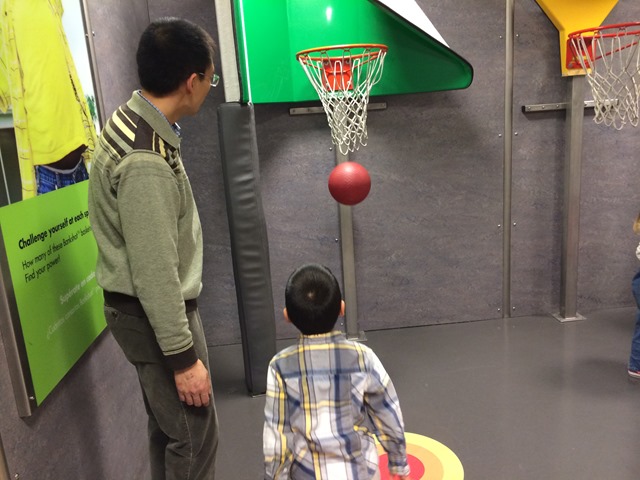
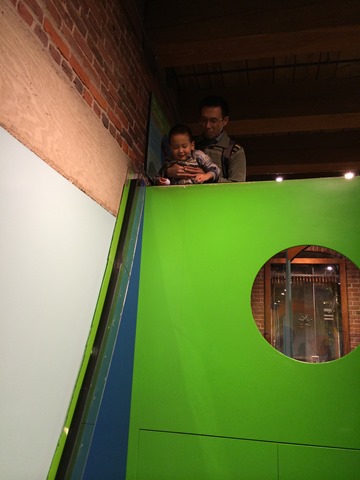
周五晚上,从幼儿园接了豆豆后,我直接带他去了儿童博物馆。这是豆豆第一次听说“儿童博物馆”这个名字,当时他还有些不情愿。但一到那里,他立刻兴奋地投入了各种游戏中,玩得不亦乐乎。博物馆周五晚上的票价是每人一美元,既便宜又实惠,而且人不算多,体验相当不错。相比之下,上海的儿童博物馆虽然主题类似,但无论规模还是可玩性都逊色不少。

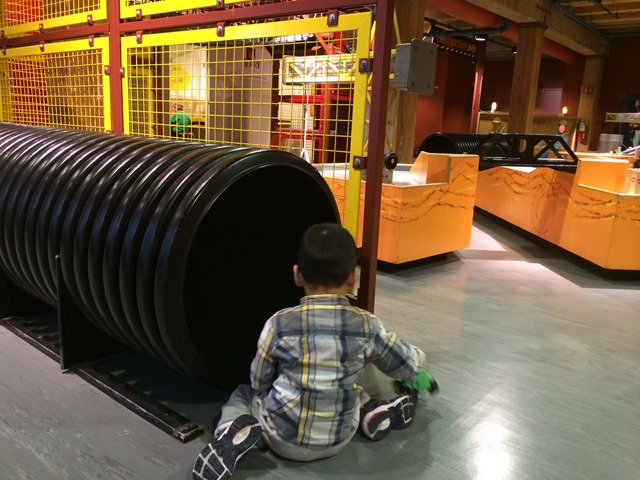
馆内布置了许多主题区:有物理实验、生物探索、音乐互动、交通建筑模型,还有模拟日常生活的玩具设备。内容之丰富,让人目不暇接。豆豆每样都试了几下,不知不觉两个小时就过去了。不过,我发现他比其他小朋友显得胆小,这一点完全不像我,我小时候是著名的“傻大胆”,啥都敢试。馆里有两辆废弃的推土机,平时豆豆对这种车辆充满兴趣,但这次面对真实的推土机,他却不敢靠近,拉着我的手说什么也不上前。

大厅里还有一个巨大的攀爬结构,由网绳和木板交错搭建,有普通住宅五层楼那么高,像一个立体迷宫。孩子们可以尽情攀爬,我甚至看到一个还不会走路的一岁小朋友,已经爬到了很高的地方。豆豆对这个结构爱得不行,兴奋的来回爬了好几圈,但始终只敢在第一层活动,那高度不过到我膝盖。当我我鼓励他再往上一层试试,他摇着头,一副哭丧脸,说:“我害怕”。

时间过得飞快,转眼到了闭馆时间。豆豆却舍不得离开,一贯的“耍赖”模式上线。不同于其他孩子直接撒泼打滚,他擅长找各种理由拖延时间。他一会说要喝水,一会又说要坐下休息休息,磨蹭了半天才终于出了门。出了门,他没走几步就要求“换条路走走”,然后转转摸摸往回走。

回到家,可能是玩得太尽兴,豆豆比平时精神得多。虽然已经过了睡觉时间,他仍不肯乖乖上床,爸爸妈妈轮番劝说无果。最后,我只好“假装”自己困得不行,表示一定要睡觉了。豆豆这才心疼起爸爸,愿意陪我一起睡。他其实已经很困了,上了床,不到两分钟就进入梦乡。

因为睡得晚,第二天一早,豆豆明显还没睡够。7点多,他第一次醒来,睁眼就喊:“天亮了,我睡醒了!”妈妈笑着说:“再睡会儿吧。”他立刻不满地哼哼唧唧。于是我哄他:“爸爸抱你起床。”结果豆豆一转身,竟然又睡着了。过了半小时,他再次醒来,迷迷糊糊地抱怨:“我怎么还在睡觉啊,我要去客厅玩小火车!”我说:“好,爸爸抱你起来。”没想到,他一翻身又睡了过去。直到又睡了半个多小时,他才真正醒来,这次笑容满面地起了床,开始新一天的冒险。

2013-12-13 18.25.35

2013-12-13 18.27.32

2013-12-13 18.28.01

2013-12-13 18.34.53

2013-12-13 18.39.03

2013-12-13 18.46.55

2013-12-13 18.50.20

2013-12-13 19.07.18

2013-12-13 19.41.04

查看或添加留言

豆豆幼儿园第八周

· 阅读需 1 分钟

豆豆上幼儿园的第八个星期。今天接豆豆的时候,照例又跟老师聊了两句。老师说豆豆现在能说很多英语了,而且不论老师说啥,他都要跟着学一遍。

查看或添加留言

不幸的感恩节

· 阅读需 6 分钟

今年的感恩节对我们一家来说,是个沉重的节日。

周四豆豆放假,我们决定一家人外出散心。一路欢声笑语,直到下午返程时意外发生了。在离家门口仅几步之遥的水泥路上,豆豆跑得飞快,一不小心摔了一跤。那一瞬间,我的心都提到了嗓子眼。当我抱起他时,发现他满嘴是血。

回到家后,我顾不得慌乱,立刻检查他的伤势。最让我担心的是牙齿的情况。仔细查看后,我发现他的上牙床发青,心里顿时一沉,有种不祥的预感。没有多耽搁,我立即抱着豆豆赶去了医院。

在急诊室,医生检查时,老婆紧张得不敢看,我则死死盯着每一步检查的细节。当急诊医生确认他的门牙松动,建议拔掉时,我的心重重一沉。医生特意强调:“如果不拔,会有风险”。这句话验证了我最担忧的事情。当我把医生的建议转述给妻子时,她几乎要支撑不住了。

豆豆听到后哭着说:“我不拔牙,我吃点苹果酸奶就好了。”

豆豆的一句话让我心如刀割,他还不到三岁。最近一个月,豆豆比原来懂事了很多,不再乱发脾气,还常常帮我们做家务。每当我下班回家,他都会贴心地把拖鞋摆好,这些都是我们没教过他的,他却已经自己在考虑要帮爸爸妈妈做点事情了。豆豆走路一向不太稳,经常摔倒。有时把头碰疼了,吃点好吃的立刻就破涕为笑,还反过来安慰我们说一点也不疼。如此善良可爱的小宝,如今却要经历这样痛苦的事情,叫人如何不心疼?我和老婆同时也充满的愧疚,觉得没有照顾好豆豆。

因为假日缘故,牙医需要从外地赶来。在等待的过程中,我和妻子仍抱着一丝希望,想是否能保住豆豆的门牙。然而,牙医的诊断让我们的希望彻底破灭了。她说不仅是松动最严重的那颗门牙需要拔掉,另一颗门牙也已活动,无法保留。尽管她解释了不拔掉可能带来的后果,但这对我们来说依然难以接受。然而,为了豆豆的健康,我们最终只能无奈点头。

医生准备动手术时,我试着安抚豆豆:“你的牙齿受伤了,医生是为了治好你才要拔掉它。”虽然他当时小声哼唧着说不要拔牙,但手术开始时,他还是鼓起勇气,乖乖张开了嘴,即使脸上写满了难过,依然在配合医生。看着他小小的身影,我深深感受到作为父母的无助与心疼。

俗话说“不养儿不知父母恩”,在成为父亲之前,类似的场景确实不会让我有太多感触。以前见到缺牙的小朋友时,总觉得不过是小事一桩,缺的不过是几颗乳牙,迟早会长回来,又何必在意?可当同样的事情发生在自己孩子身上时,心情却截然不同。豆豆即将面临的困难 - 发音不清、咀嚼不便,甚至是小伙伴的嘲笑,全都涌上心头,压得我喘不过气。即使医生再三安慰,也难以消除我的不安。

回家后,豆豆因为牙疼既不肯吃东西,也不愿开口说话。勉强喝了几口水后,他就紧闭嘴巴,再也不张开。我抱着他一起看了一会儿电视,然后哄他入睡。

第二天清晨,豆豆醒来后,我轻声问他:“嘴巴还疼吗?”他摇摇头,小声说:“不疼啦。”可我心里明白,他只是怕让我担心,因为整个上午,他依然不吃不喝,也很少开口说话。为了哄豆豆开心,我带他去附近的玩具店挑选了一件他喜欢的玩具。然而,这一天没吃东西的豆豆已经虚弱得连走路的力气都没有了。我一路抱着他回到家,心疼得难以自已。

路上,我和老婆商量后决定,要给豆豆弄一些他最爱吃又最容易下咽的食物。于是,我们买了他平时最喜欢、又柔软易咀嚼的奶酪、蛋糕和西瓜。中午时分,豆豆终于忍不住了,吃了一大口蛋糕后,慢慢地恢复了胃口。看着他狼吞虎咽的样子,我和妻子几乎激动得落泪。吃饱了的豆豆恢复了活力,兴高采烈地玩起了新买的玩具,家里再次充满了笑声。

到了第三天,豆豆几乎已经恢复到受伤前的状态了。我们借机再次向他解释伤情,告诉他虽然牙齿掉了,但几年后会长出新的牙齿。他懂事地点点头,说:“没关系,我可以应付的。”我不禁为他的乐观和坚强感到欣慰,也更加佩服他小小年纪的坚韧。

后记:

12月6日,距离拔牙手术刚好一个星期,我们带豆豆去医院复查。早上提到要去医院时,豆豆立刻哭着说不想去。我和老婆耐心安慰他:“上次很疼,是因为你受伤了。这次你没有受伤,医生只是看看,不会疼的。而且医生帮你治好了牙,我们要去感谢他呀。”在我们的劝说下,豆豆终于同意,但仍能看出他的不安。

到了医院,医生检查时,豆豆虽然害怕得眼泪直流,但依然用哭腔对我说:“爸爸,我没事的,我不哭!”幸好,医生告诉我们豆豆的伤口恢复得非常好,不需要进一步处理了。听到这句话,我的心终于放下了,而豆豆也没有再受罪。

复查时有个小插曲。在等候室时,外面传来几声其它小朋友惊恐的尖叫。豆豆好奇地问妈妈:“那是什么声音?”豆豆妈怕他心里留下阴影,随口说:“这是医院里在用小动物做实验,是杀猪的声音。”之后豆豆妈很快就忘了这回事了。

又过了几天,我们带豆豆去坐小火车。当小火车转弯时发出了尖锐的吱嘎声,豆豆忽然冒出一句:“小火车转弯的时候就像杀猪。”豆豆妈愣了一下,问:“你听过杀猪吗?”豆豆认真地回答:“听过,在医院里听到的。”

查看或添加留言